Nepal Unveils Climate-Resilient Health Facility in Jajarkot, Marking Major Milestone in Maternal and Newborn Health (May 28, 2026)
2026/5/28
PRESS RELEASE
Embassy of Japan
Embassy of Japan
JEINF No. 16-2026
May 28, 2026
JOINT PRESS RELEASE
Nepal Unveils Climate-Resilient Health Facility in Jajarkot, Marking Major Milestone in Maternal and Newborn Health
Nepal Unveils Climate-Resilient Health Facility in Jajarkot, Marking Major Milestone in Maternal and Newborn Health
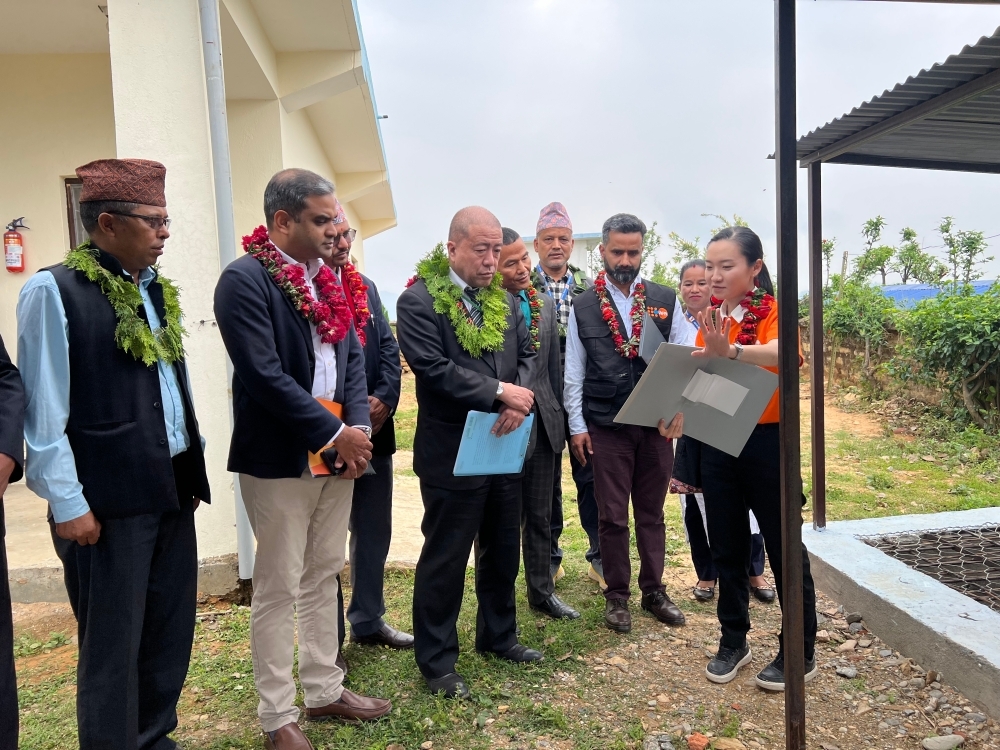
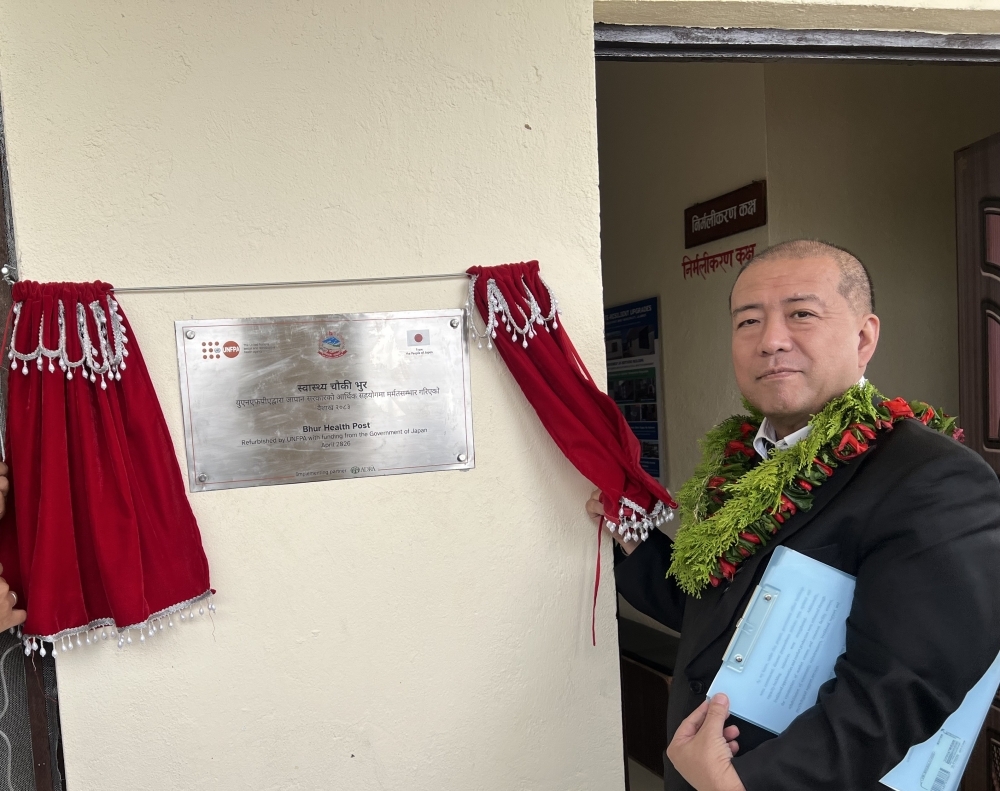
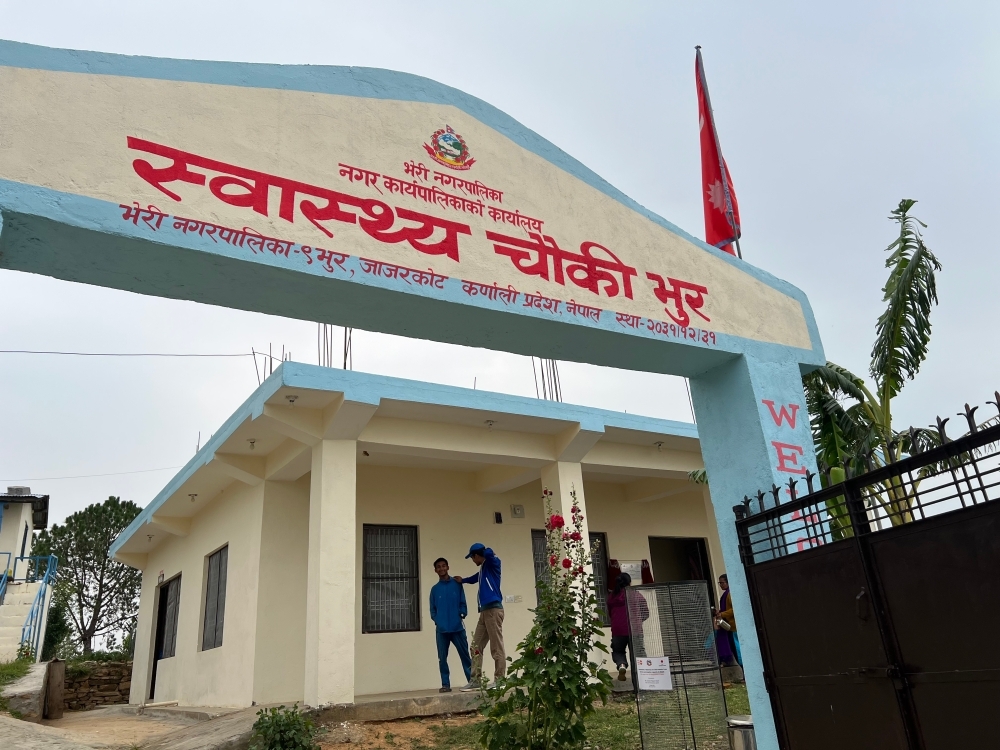
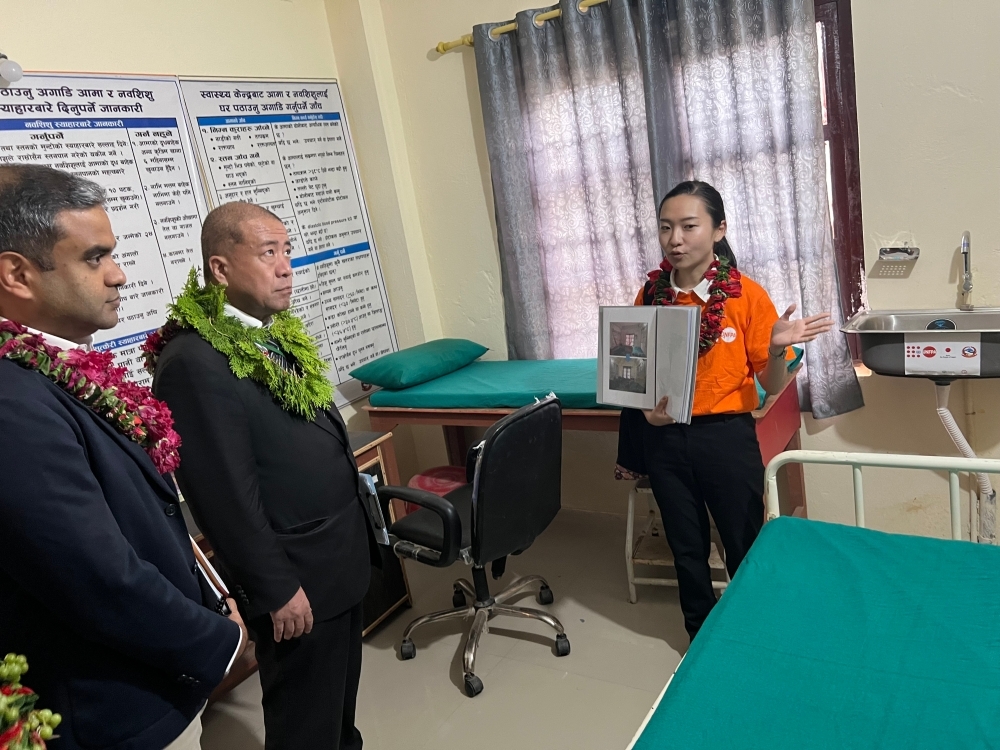
The Government of Nepal, UNFPA, and the Embassy of Japan today jointly unveiled the refurbished Bhur Health Post in Bheri Municipality, Jajarkot District, marking a major step in strengthening maternal and newborn health services in Nepal's most vulnerable communities.
The event was held under the Improvement of Maternal and Child Health Care Services and Adaptive Capacity in Nepal, funded by the Government of Japan and implemented by UNFPA. The project addresses critical gaps in districts such as Jajarkot and Rautahat, where health facilities serving pregnant women and newborns are increasingly vulnerable to disasters and extreme weather events, from landslides to cold waves.
The refurbishment of Bhur Health Post represents a model for climate-resilient primary healthcare. It is one of 10 model health facilities being strengthened under the project to better withstand climate-related shocks and disasters while continuing to provide essential maternal and newborn health services.
The project has also supported the provision of essential medical equipment and life-saving supplies, including medical camp kits, to improve preparedness and enable prepositioning for future emergencies. In addition, climate adaptation guidelines were developed for Health Facility Operation and Management Committees (HFOMCs) to strengthen climate-resilient operational management and service delivery at the local level.
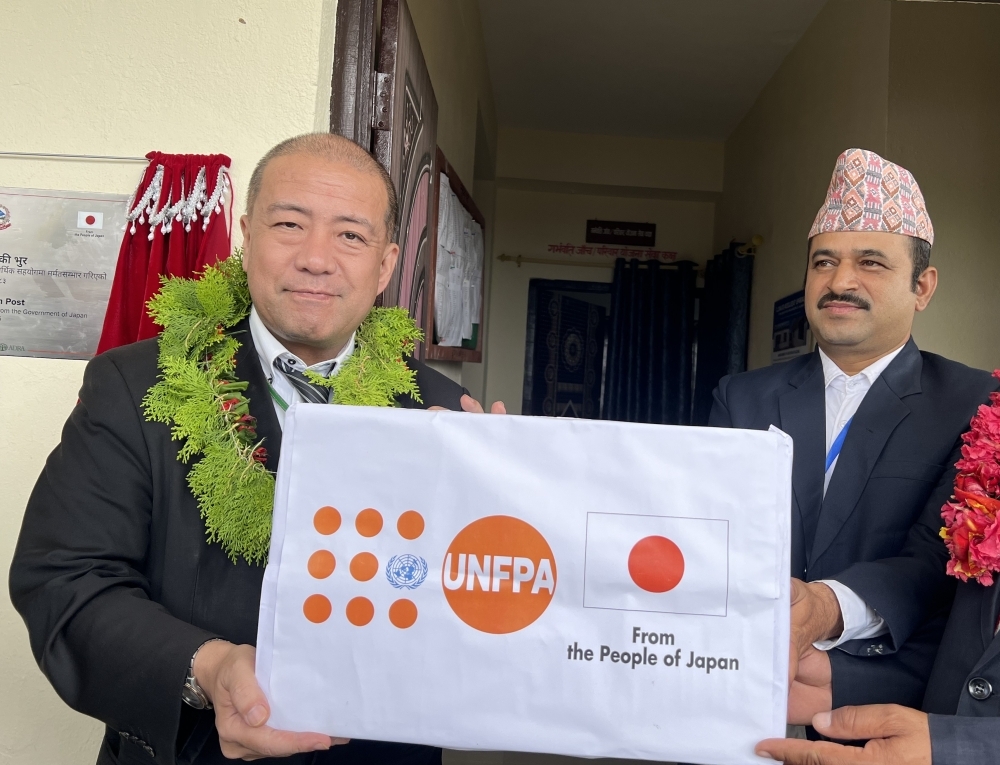
During the event, essential medical equipment was formally handed over to the facility, and certificates were presented to four additional health facilities that have benefited from the programme: Dhime Health Post, Sakla Health Post, Limsa Basic Hospital, and Bhagawati Health Post.
"This health post is more than a refurbished building," said Sriram Haridass, UNFPA Nepal Representative (a.i.). "It is a demonstration of what is possible when evidence, investment, and government support come together. Women across Nepal deserve health facilities that remain safe, functional, and accessible even during floods, disasters and crises.”
A key outcome of the project has been the generation of new evidence, including health facility assessments, policy analyses, and costed health action plans for climate adaptation, to support planning and budgeting at the sub-national level. Today's advocacy workshop brought together policymakers, health system managers, and community representatives to discuss these findings and their implications for how Karnali Province prioritises climate-resilient health services going forward. Mr. Chandra Prakash Gharti, Mayor, Bheri Municipality, underscored the Bheri Municipality's commitment to embedding climate adaptation into municipal planning.
Mr. SHINTO Yasuharu, Deputy Chief of Mission, Embassy of Japan in Nepal, reaffirmed Japan's commitment to supporting Nepal's efforts to protect its most vulnerable communities and expressed confidence that the lessons and models emerging from the project would have lasting impact beyond the project districts.
The event also featured an interaction session where health workers, mothers, and community members shared firsthand experiences of accessing maternal health services during disasters and emergencies, ensuring that the voices of those most affected remained central to the policy dialogue.
—-
The Improvement of Maternal and Child Health Care Services and Adaptive Capacity in Nepal Project is funded by the Government of Japan and implemented by UNFPA Nepal across Jajarkot and Rautahat Districts. UNFPA is the United Nations sexual and reproductive health agency, working to ensure that every pregnancy is wanted, every childbirth is safe, and every young person's potential is fulfilled.
For media enquiries, please contact:
Aditi Aryal, Communications Analyst, UNFPA Nepal
aryal@unfpa.org | +977 9801056006
The event was held under the Improvement of Maternal and Child Health Care Services and Adaptive Capacity in Nepal, funded by the Government of Japan and implemented by UNFPA. The project addresses critical gaps in districts such as Jajarkot and Rautahat, where health facilities serving pregnant women and newborns are increasingly vulnerable to disasters and extreme weather events, from landslides to cold waves.
The refurbishment of Bhur Health Post represents a model for climate-resilient primary healthcare. It is one of 10 model health facilities being strengthened under the project to better withstand climate-related shocks and disasters while continuing to provide essential maternal and newborn health services.
The project has also supported the provision of essential medical equipment and life-saving supplies, including medical camp kits, to improve preparedness and enable prepositioning for future emergencies. In addition, climate adaptation guidelines were developed for Health Facility Operation and Management Committees (HFOMCs) to strengthen climate-resilient operational management and service delivery at the local level.
During the event, essential medical equipment was formally handed over to the facility, and certificates were presented to four additional health facilities that have benefited from the programme: Dhime Health Post, Sakla Health Post, Limsa Basic Hospital, and Bhagawati Health Post.
"This health post is more than a refurbished building," said Sriram Haridass, UNFPA Nepal Representative (a.i.). "It is a demonstration of what is possible when evidence, investment, and government support come together. Women across Nepal deserve health facilities that remain safe, functional, and accessible even during floods, disasters and crises.”
A key outcome of the project has been the generation of new evidence, including health facility assessments, policy analyses, and costed health action plans for climate adaptation, to support planning and budgeting at the sub-national level. Today's advocacy workshop brought together policymakers, health system managers, and community representatives to discuss these findings and their implications for how Karnali Province prioritises climate-resilient health services going forward. Mr. Chandra Prakash Gharti, Mayor, Bheri Municipality, underscored the Bheri Municipality's commitment to embedding climate adaptation into municipal planning.
Mr. SHINTO Yasuharu, Deputy Chief of Mission, Embassy of Japan in Nepal, reaffirmed Japan's commitment to supporting Nepal's efforts to protect its most vulnerable communities and expressed confidence that the lessons and models emerging from the project would have lasting impact beyond the project districts.
The event also featured an interaction session where health workers, mothers, and community members shared firsthand experiences of accessing maternal health services during disasters and emergencies, ensuring that the voices of those most affected remained central to the policy dialogue.
—-
The Improvement of Maternal and Child Health Care Services and Adaptive Capacity in Nepal Project is funded by the Government of Japan and implemented by UNFPA Nepal across Jajarkot and Rautahat Districts. UNFPA is the United Nations sexual and reproductive health agency, working to ensure that every pregnancy is wanted, every childbirth is safe, and every young person's potential is fulfilled.
For media enquiries, please contact:
Aditi Aryal, Communications Analyst, UNFPA Nepal
aryal@unfpa.org | +977 9801056006